
How to Create the Internal Space You Need to Take Action
We’ve all had those moments where you sit down to start something — a task, an email, a project — and suddenly your mind fogs over. The harder you try to push through it, the heavier everything feels. It’s easy to assume this is laziness or lack of discipline, but procrastination is usually something very different.
Procrastination often shows up when your system is emotionally flooded. Your nervous system takes over, your thinking brain goes offline, and everything in you shifts toward avoidance. This is why even simple tasks can feel impossible. You don’t need more pressure; you need internal space.
What Internal Space Actually Is
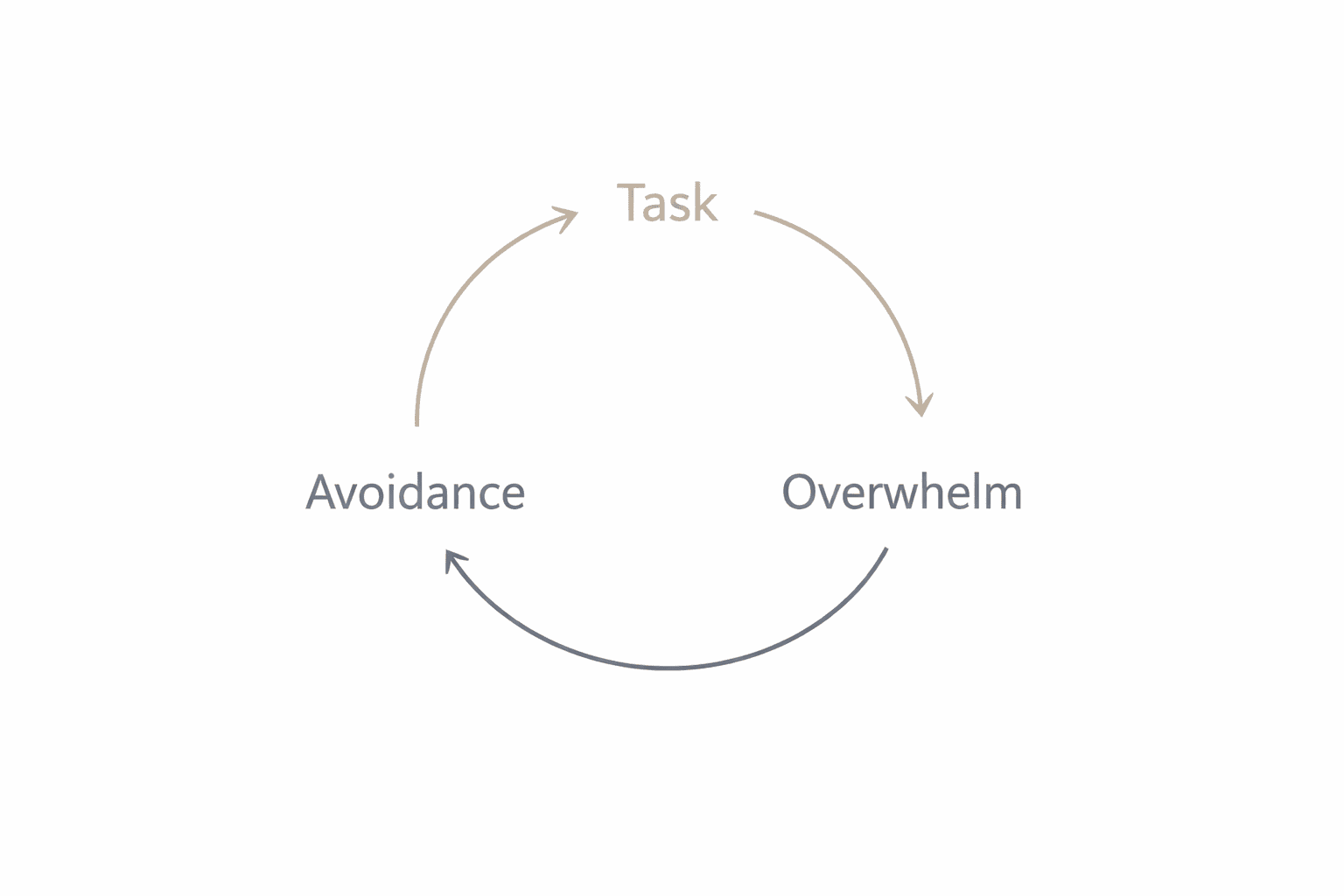
Internal space is the small window — usually just a few seconds — where you notice what’s happening inside you before you react to it. It’s the pause that interrupts the automatic loop of:
Task → Overwhelm → Avoidance
Without that pause, your body reacts faster than your mind can catch up. You see the task, feel the pressure, and immediately shift into escape mode — scrolling, cleaning, snacking, anything but starting.
Creating internal space gives your thinking brain time to come back online. It lets you move from automatic to intentional.
A Simple 4‑Step Process to Clear the Fog
These steps help you create that internal space when procrastination hits. They’re small, practical, and designed to work with your nervous system — not against it.

Procrastination starts in the body, not the mind.
You might feel:
-tightness in your chest;
-heat or pressure; restlessness;
-racing thoughts.
The moment you say, “Something is happening in me,” you are creating space.
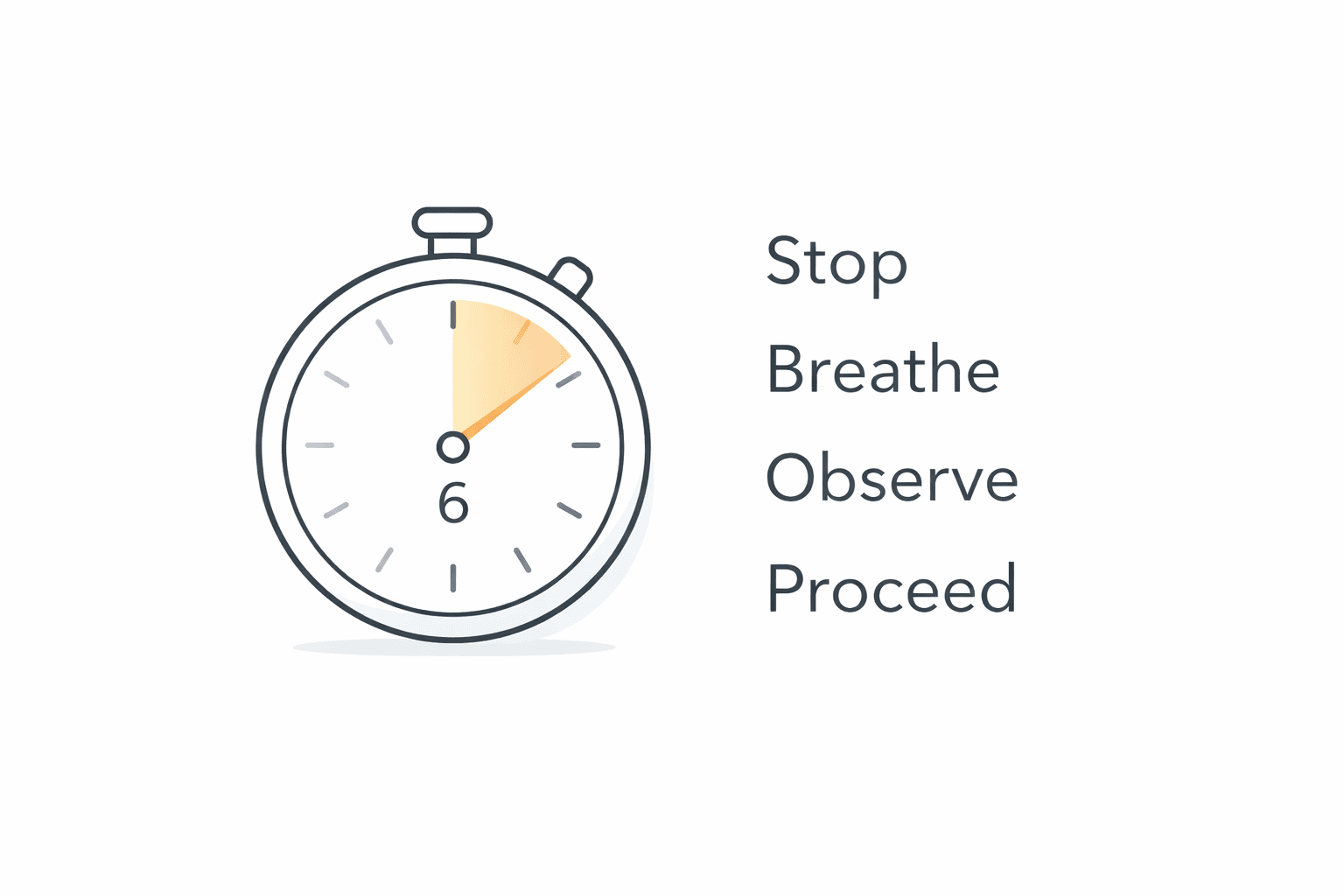
When your system is activated, your brain floods with chemicals that drive reactivity. They begin to settle in about six seconds.
Use a simple STOP: Stop for a moment; Take a breath; Observe what’s happening inside; Proceed with intention.
This pause slows your internal pace enough for clarity to return.
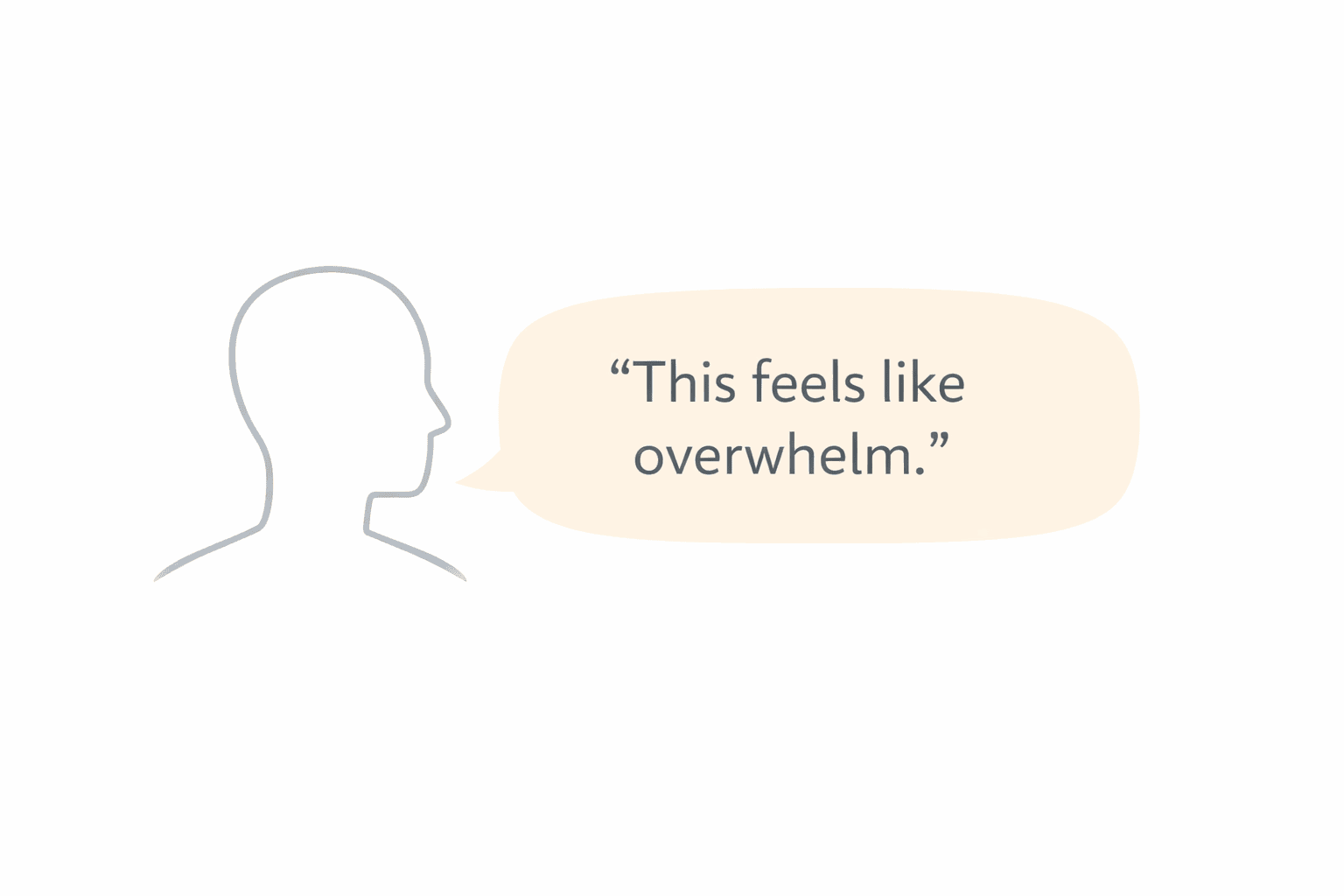
Putting a feeling into words — even something simple like, “This feels like overwhelm”, helps your system settle. Naming the emotion shifts you out of the emotional “alarm” part of the brain and into the part that can think, plan, and choose.
Don't try to fix the feeling; just acknowledge it.
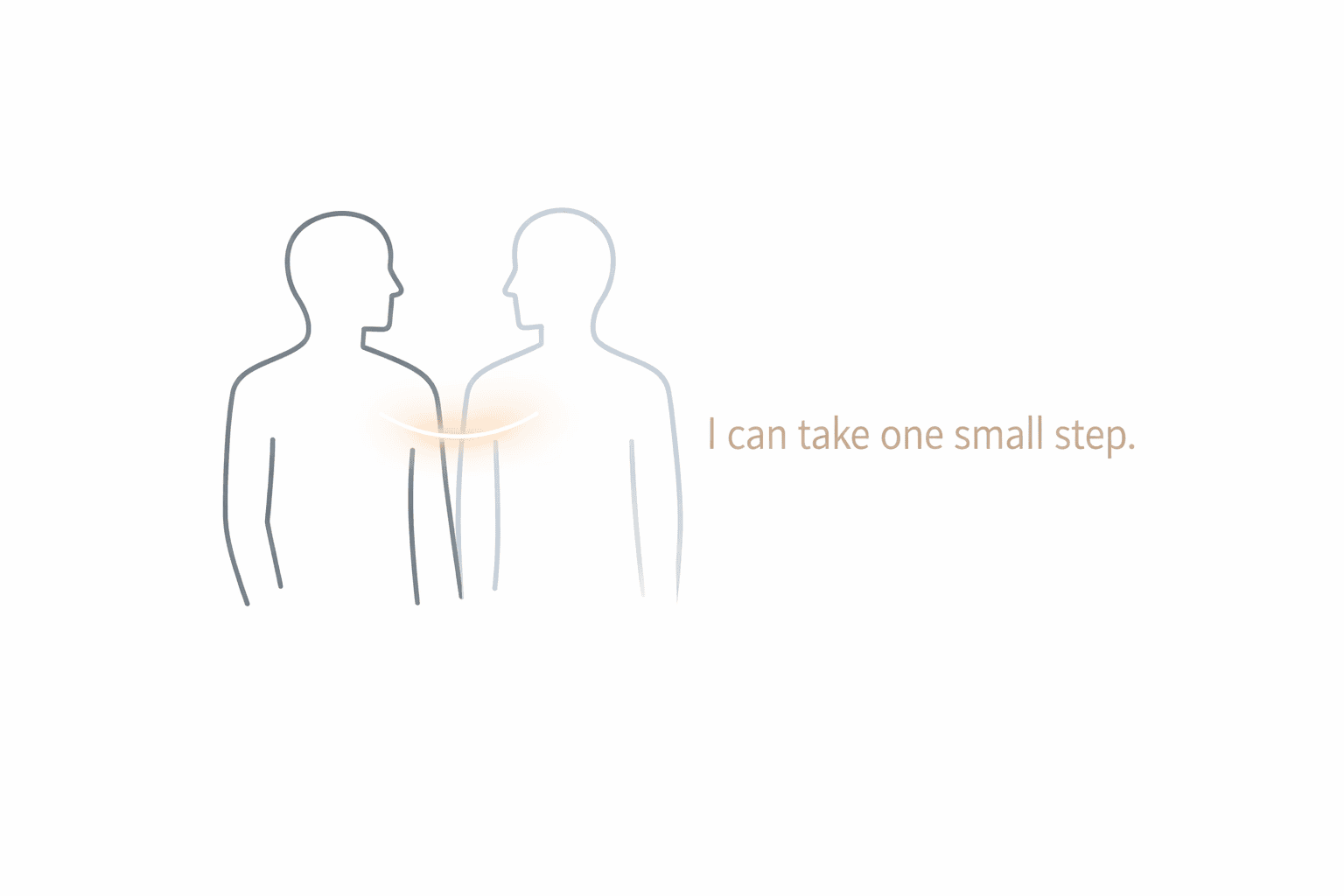
If the fog is thick, create a little psychological distance. Instead of saying, “I can’t do this,”
try: “ [Your name], take one small step.” or “I don’t have to finish — just begin.”
Speaking to yourself this way lowers the emotional intensity and helps you re‑enter the task with more steadiness.
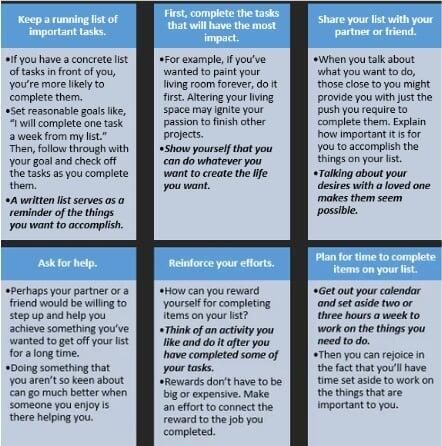
Practical Tools to Support Follow‑Through
These tools anchor the internal work in real‑world action. They help you move from awareness to follow‑through — one small, steady step at a time.
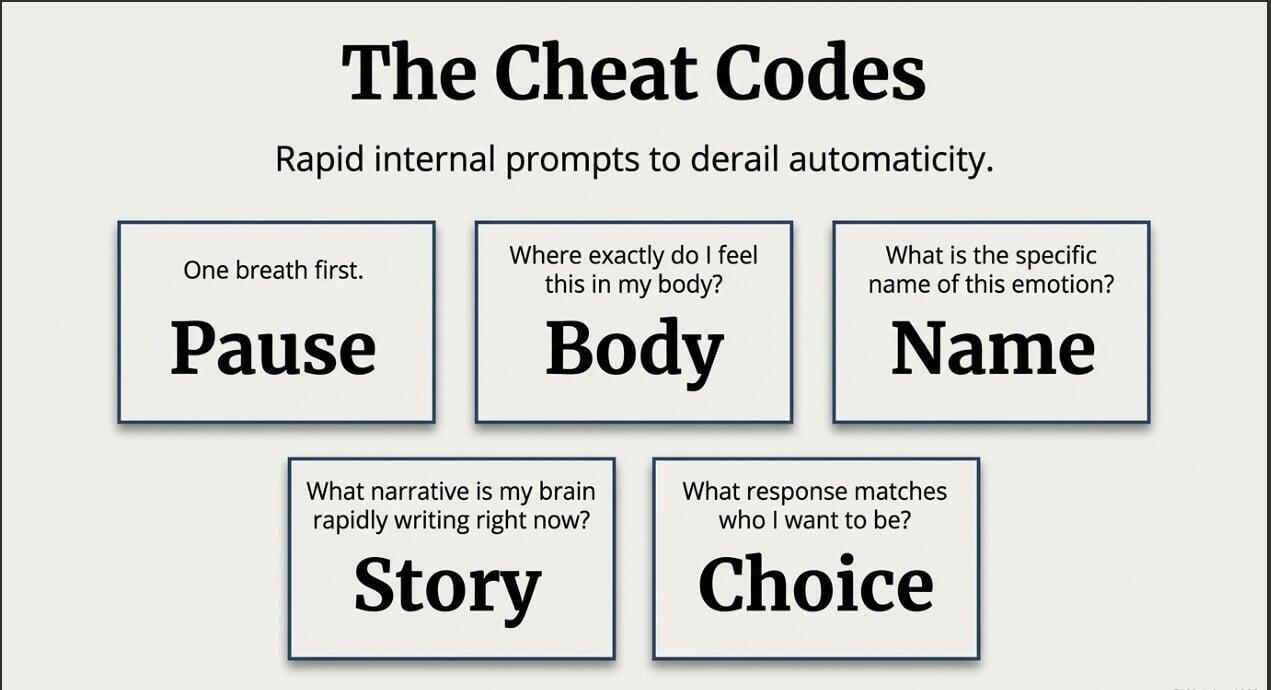
From Automatic to Intentional
Creating internal space doesn’t make the task easier; it makes you more grounded. When you can pause, name what’s happening, and choose your next step, you shift from being pulled around by your emotions to being guided by them.
The next time procrastination shows up, don’t fight the fog. Pause for six seconds; name what’s happening; choose one small step.
Your power to begin lives in that small window of space.
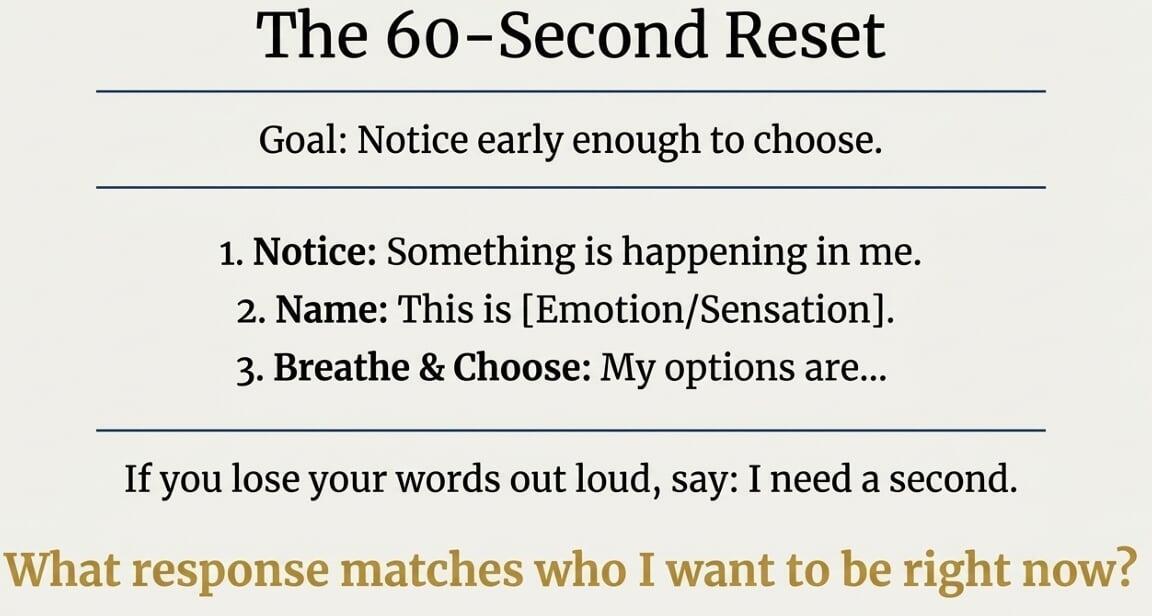
Ready to move from fog to forward?
If you’re noticing patterns of avoidance or overwhelm and want support turning awareness into steady action, I can help you build the internal space and structure that make follow‑through possible.
Learn more about what follows creating internal space or schedule a session with me.
Written with care,
Faith <3