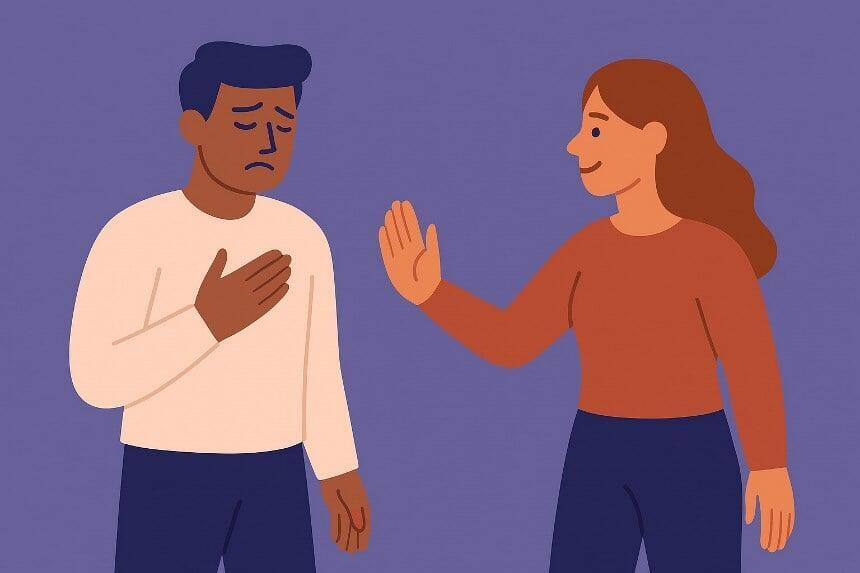
Forgiveness is about freeing yourself from the weight of resentment and pain.
At some point, we all hold onto hurt, believing that anger protects us. We think that holding onto pain will shield us from further harm or prevent injustice. But in reality, it doesn’t protect us—it imprisons us. When we choose to forgive, we reclaim our peace, emotional strength, and mental wellness. We no longer allow past wounds to dictate our present joy. Forgiveness isn’t weakness—it’s empowerment. It’s about understanding that healing starts from within. To forgive does not mean to accept mistreatment or invalidate your emotions. It is an act of liberation—a decision to rise above bitterness and choose healing over heartache. Forgiveness is for you, not for them. It is a declaration that you will no longer be controlled by resentment. Those who choose forgiveness often experience a profound shift in perspective. Pain no longer defines them; instead, resilience and peace take its place. When you step into the transformational power of forgiveness, you invite a lighter, freer existence—one where love and healing shape your future, rather than anger shaping your past.
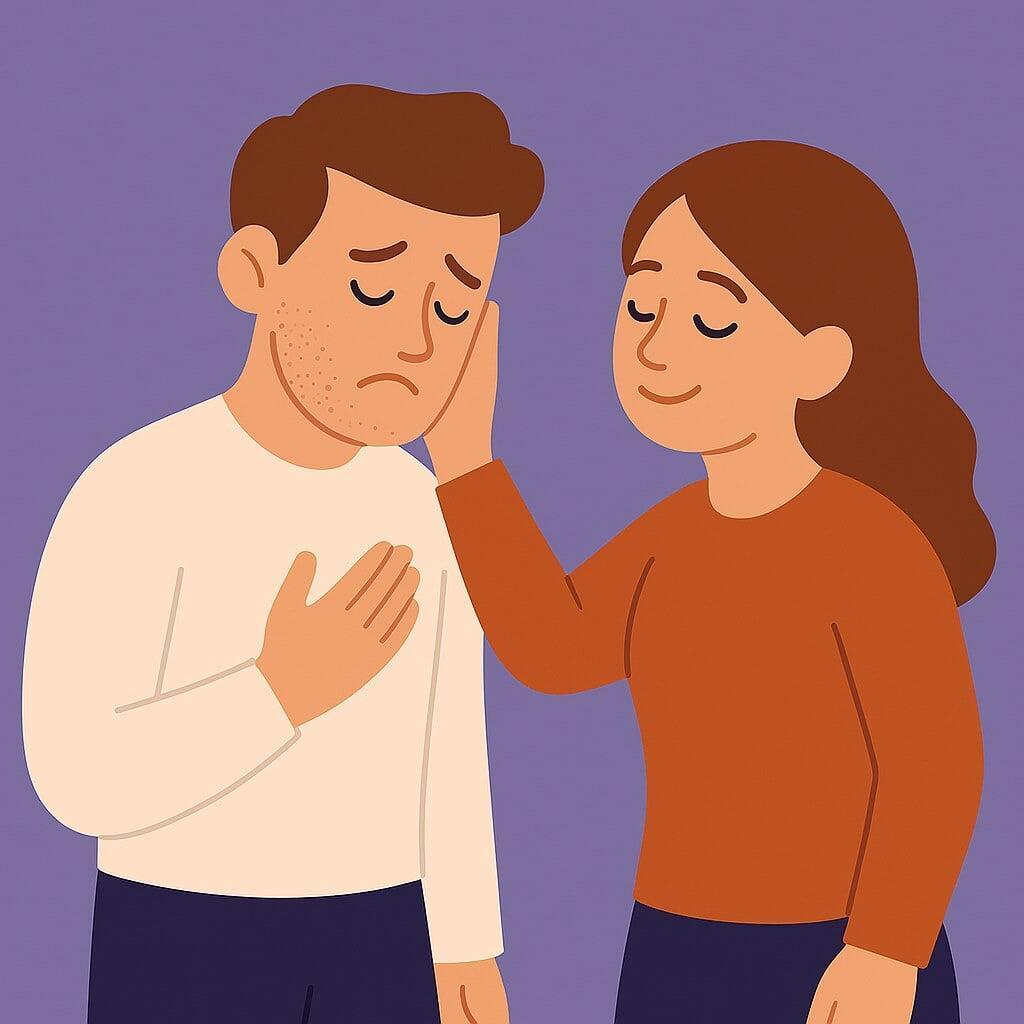
What Forgiveness Is & What It Isn’t
Many people misunderstand forgiveness, believing it means excusing harmful actions or forgetting pain. But true forgiveness is about letting go of resentment while maintaining personal boundaries.
Forgiveness does not mean: ❌ Dismissing the wrongdoing – It does not require you to pretend the harm never happened. ❌ Forgetting the lesson – Healing allows you to remember without reliving the pain. ❌ Allowing mistreatment – Forgiveness does not mean staying in unhealthy relationships.
Forgiveness is: ✅ Choosing emotional freedom – Releasing resentment helps regain peace and clarity. ✅ A process, not a one-time act – True forgiveness may take time and deep self-reflection. ✅ An act of strength – It does not mean weakness; rather, it is a conscious decision to heal and grow.
🔗 Want more insight? Check out this Therapist Aid worksheet for a breakdown of what forgiveness really entails.
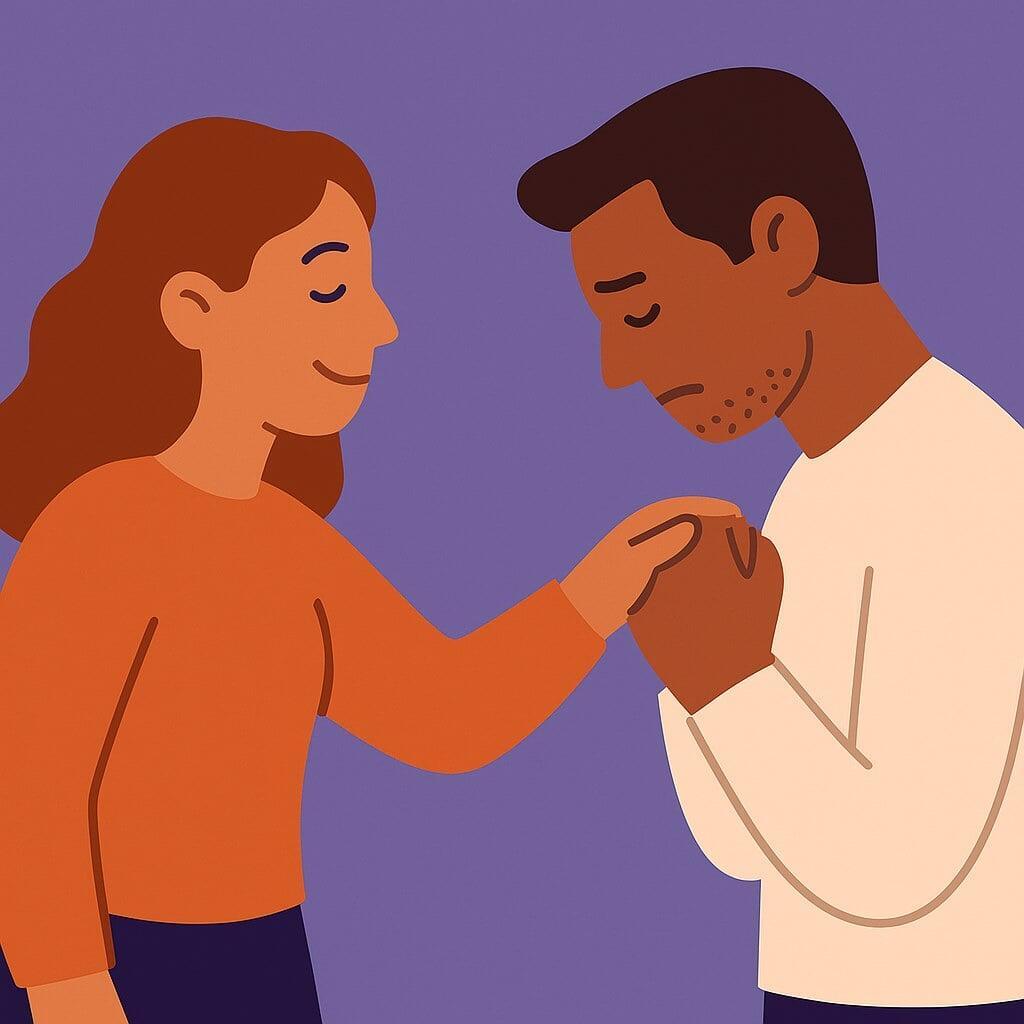
You may have times when you’ve been hurt or feel angry toward someone close to you. They may have said something that devastated you or performed some behavior without thinking that triggered feelings of frustration and anger. And yet you still hope to include them in your life.
The wisest thing to do is to forgive whenever you have these experiences.
But forgiving often proves to be more challenging than you think!

Healing for a Hurting Heart
When you decide to live a more conscious existence, you may have more room to forgive those who upset you. Forgiveness isn’t just about letting go of resentment—it’s about nurturing your inner peace and allowing yourself to move forward without carrying the weight of past wounds. Holding onto hurt keeps you stuck in emotional cycles, preventing true healing and happiness.
However, forgiveness is a process, not a single moment. It requires courage, self-awareness, and sometimes, gradual steps toward emotional release. As you embrace forgiveness, you also embrace the opportunity to heal, grow, and rebuild the areas of your life affected by pain.
✔ Processing Emotional Pain Before Forgiving – Before you can truly forgive, you must acknowledge the hurt. This means facing emotions rather than suppressing them, finding ways to express your feelings through journaling, deep reflection, or therapy.
✔ Rebuilding Self-Worth After Betrayal – Forgiveness should never come at the expense of self-respect. Healing requires recognizing your value beyond the pain and creating boundaries that protect your emotional well-being.
✔ Healing Meditation & Journaling – Self-guided exercises help reshape negative thought patterns and bring clarity to your healing journey. Meditation allows you to release tension, while journaling helps you process emotions in a structured, reflective way.
✔ Cultivating Emotional Freedom – Forgiveness is not just about others—it’s about restoring your own inner peace. Carrying resentment only prolongs suffering, while choosing to heal opens space for clarity, joy, and deeper connections.
✔ Living With Lighter Emotions – Once forgiveness takes root, you will notice a shift—less emotional weight, fewer intrusive thoughts, and a growing sense of lightness and resilience.
True healing happens when you reclaim your emotional power and choose to live freely, without being tied to past pain. The journey isn’t always easy, but it is always worth it.
Again, the power of forgiveness is within you. Use it for your own greater happiness.

Want to learn more about forgiveness and how to begin practicing it for your own healing?
Check out the free sample from my Forgiveness Course and discover practical tools to learn how to let go and grow! Click the link below to learn more.
Footnote:
1. Luskin, F. (2003). "Forgive for Good: A Proven Prescription for Health and Happiness." HarperOne. This study discusses the physiological effects of forgiveness, including its impact on lowering blood pressure and reducing stress.
2. Toussaint, L., Worthington, E., & Williams, D. R. (2015). "Forgiveness and Health: A Review and Theoretical Exploration of Pathways." Journal of Behavioral Medicine, 38(3), 299-312. This research highlights how forgiveness leads to reduced anxiety, lower stress levels, and improved cardiovascular health, including blood pressure regulation.
Copyright © 2026 Faith Tunstall, M.S., LPC. All rights reserved.
This blog and all associated content—including text, images, branding, and proprietary materials—are the exclusive intellectual property of Faith Tunstall, LPC of VALID Truths Coaching. Unauthorized reproduction, distribution, or modification without explicit written consent is strictly prohibited.
Usage & Permissions: Personal & Educational Use: Readers may reference this blog for non-commercial purposes with proper attribution. No Unauthorized Reproduction: Republishing, altering, or redistributing content for commercial gain without permission is prohibited. Legal Protections: Misuse or unauthorized use of this blog may result in legal action under copyright and intellectual property laws.
For permissions, licensing inquiries, or approved use cases, contact support@validtruthscoaching.com
The Transformational Power of Forgiveness
Read these points about forgiveness to better understand why it’s best to practice:
✅ Refusing to forgive harms you more than the individual you’re upset with.
- There’s an old saying about poison damaging the vessel in which it’s found, and that applies here. Holding onto resentment weighs heavily on your emotional health.
✅ Forgiving allows you to release the pain.
- Whenever you say, “I forgive you,” you are freed from holding onto the grudge, moving forward with peace.
✅ Most grudges grow larger than we expect.
- The more time and emotional energy we spend holding onto them, the more they consume our existence.
✅ You can decide to be the ‘bigger’ person.
- When you live by strong morals and values, forgiveness can align with the deeper beliefs you hold.
✅ Forgiveness benefits everyone.
- The person you forgive may grow from the experience, leading to better relationships and understanding.
✅ Forgiving improves physical health.
- Studies show forgiveness can lower blood pressure [1] [2], relieve stress, and improve overall well-being.
✅ Holding onto anger fuels resentment.
- Would you rather feel hurt, or step into a place of peace?
✅ Reflection is key to forgiveness.
- Understanding your role in an event helps you process and let go.